In short
- Wear moisture-wicking layers and waterproof outerwear; avoid cotton.
- Bring sturdy, waterproof hiking boots with solid ankle support.
- Pack UV sunglasses to protect your eyes from snow blindness.
In this article
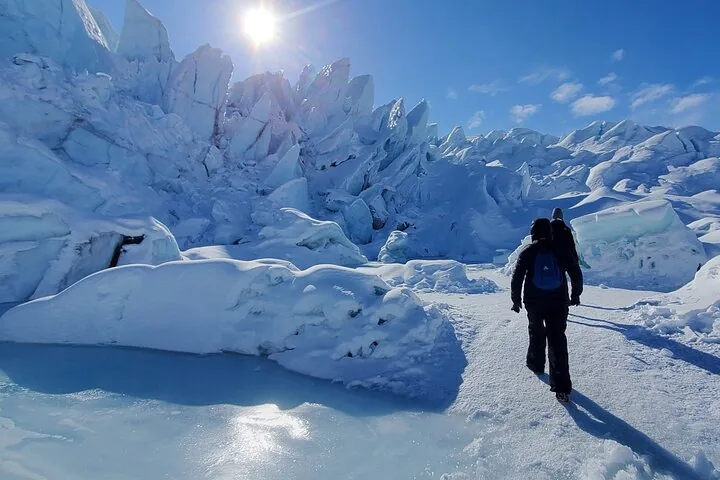
Choosing what to wear on a glacier hike in Alaska comes down to staying dry and managing the glare. The ice is cold and highly reflective, even in the middle of summer. Proper gear ensures your focus remains on the geology rather than wet feet.
How should I layer clothing for a glacier hike?
Start with moisture-wicking base layers and add waterproof outer layers.
Avoid cotton entirely. Cotton traps moisture and makes you cold. Choose a waterproof rain jacket or a windbreaker to block the elements. Pair this with waterproof hiking pants to stay dry.
What kind of boots do I need for the glacier?
Wear sturdy, waterproof hiking boots that offer good ankle support.
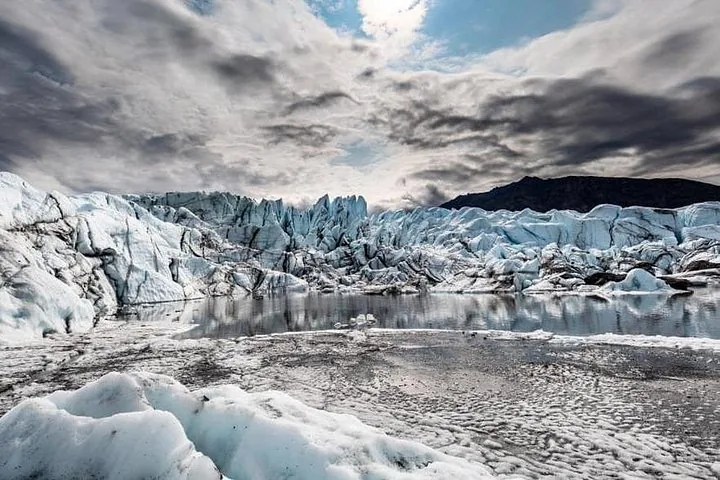
You will walk on uneven terrain, ice falls, and terminal moraine debris. Ankle support prevents injuries on these rough surfaces. Most tour guides provide microspikes or ice crampons, which strap directly over your hiking boots.
Why do I need sun protection on the ice?
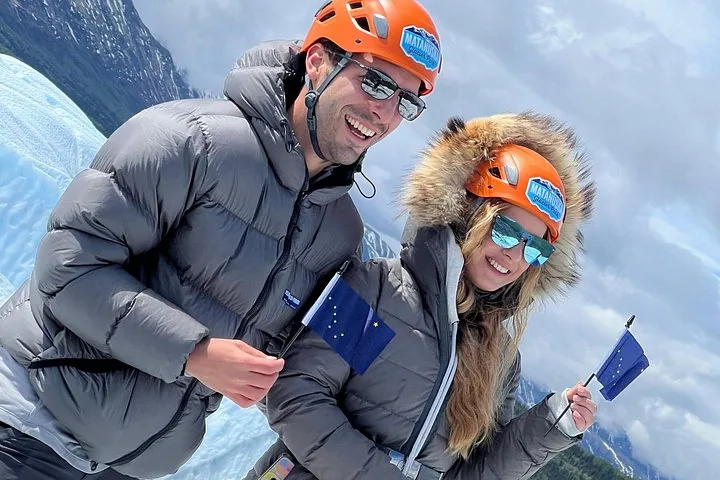
The white ice reflects UV rays heavily, creating a risk of snow blindness.
Always wear sunglasses with UV protection. You should also apply sunscreen to all exposed skin. Even when air temperatures are cool, the sun exposure on a glacier is intense.
What accessories should I pack in my daypack?
Carry warm gloves, extra layers, and a reusable water bottle in a small daypack.
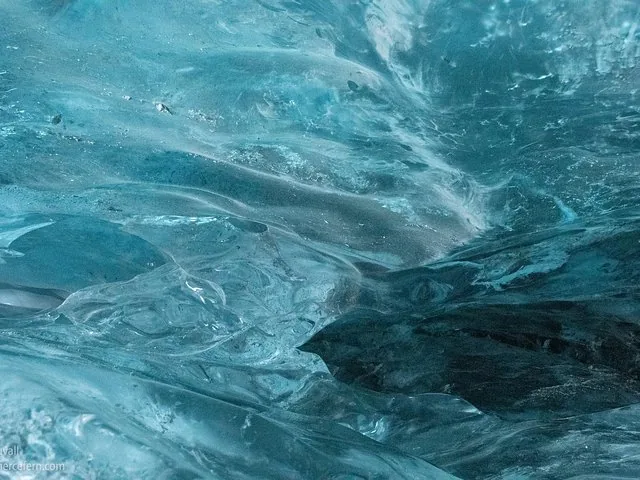
Wear warm gloves or mittens, even if visiting during the summer months. Pack a reusable water bottle so you can drink cold, fresh glacier meltwater from a surface stream. Do not bring items like fruit peels, as you cannot leave biodegradable waste on the ice.
Will I need specialized climbing gear?
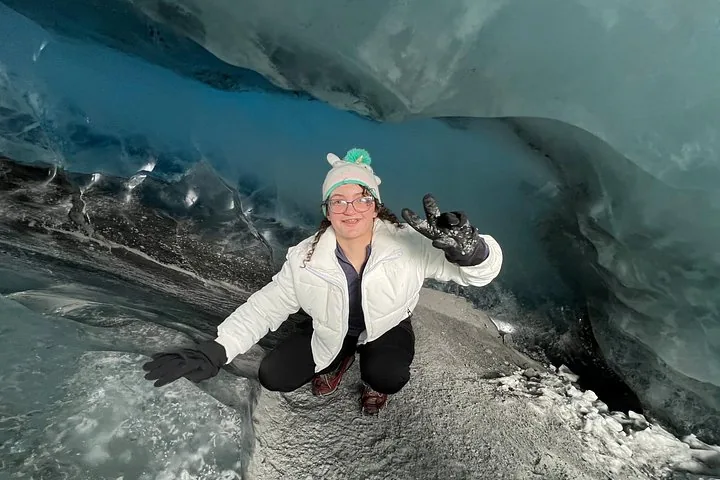
No, standard tours only require traction devices, which operators supply.
Since unguided access is prohibited, you will go onto the ice with a certified guide. These operators provide the necessary microspikes or crampons for walking safely on the ice. Some tours also provide items like snow pants if needed.
How do weather conditions affect my clothing choices?
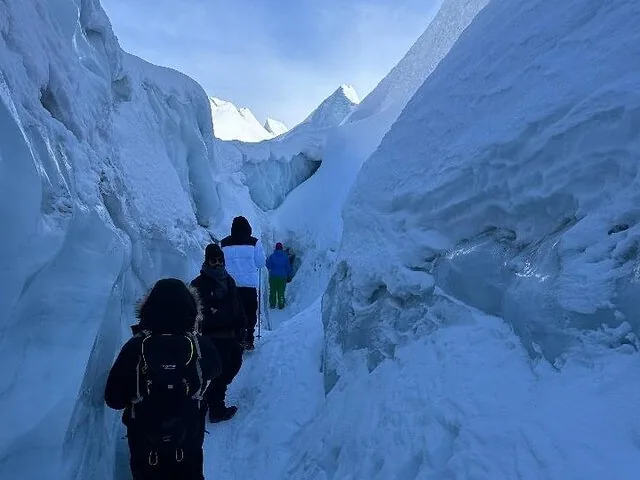
Conditions range from muddy summer trails to slippery winter ice, requiring adaptable layers.
Summer visits from June through August involve warmer temperatures but muddy terminal moraines. Winter brings slippery access roads and colder ice. Packing a small daypack lets you add or remove clothing as the temperature shifts.
Questions travellers ask
Can I wear jeans on the glacier?
No, you should avoid cotton fabrics like denim. Jeans trap moisture from sweat or melting ice, which will quickly make you cold. Wear waterproof hiking pants instead.
Are regular sneakers okay for walking on a glacier?
No. You need sturdy, waterproof hiking boots with good ankle support. Sneakers will get wet, and they do not provide a stable base for the microspikes or crampons required on the ice.
Do I need to pack water for the hike?
Yes, bring a reusable water bottle. You can fill it directly with cold, fresh glacier runoff from surface streams during your guided tour.